
Exploring The Lifespan Of Control Arm Bushings: How Long Do Control Arm Bushings Last?
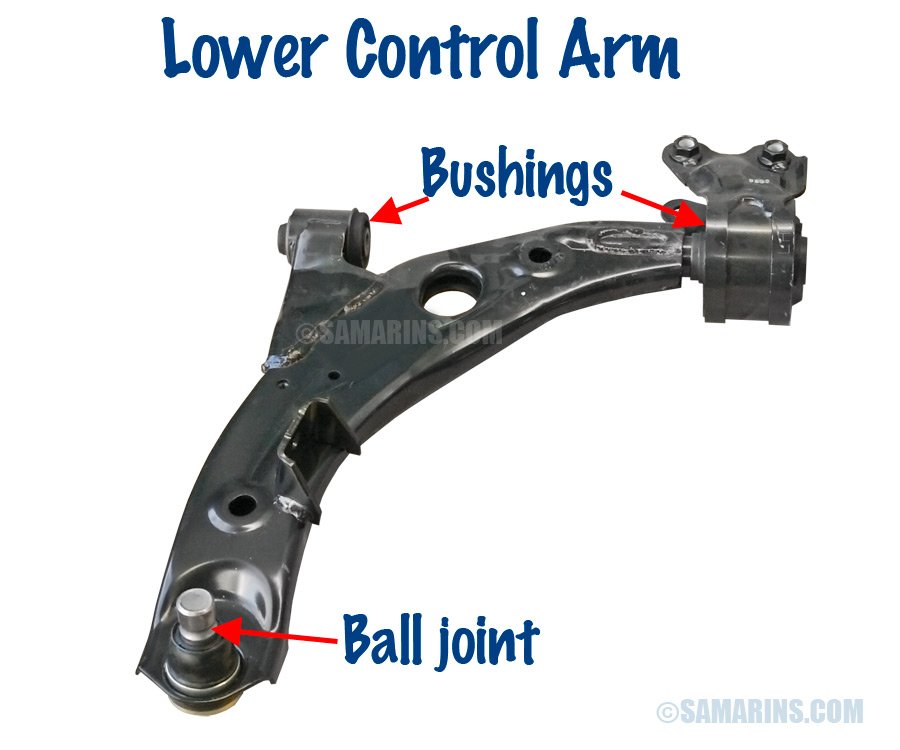
Control arm bushings typically last around 100,000 miles before needing replacement. These crucial components serve as the connection between the control arm and the chassis of your vehicle, ensuring a smooth and stable ride. Over time, wear and tear can cause the bushings to deteriorate, leading to symptoms like increased vibration and a lack of responsiveness in your steering. Regular inspection and maintenance can help detect issues early on and prevent further damage. Understanding how long do control arm bushings last can help you stay ahead of potential problems and maintain your vehicle’s performance.

How Long Do Control Arm Bushings Last?
Welcome to our guide on control arm bushings and their lifespan! If you’re not quite sure what control arm bushings are, don’t worry; we’ll explain everything in easy-to-understand terms. In this article, we will delve into the world of control arm bushings, discussing what they are, how long they typically last, signs of wear, and tips for extending their lifespan. So, let’s get started!
Understanding Control Arm Bushings
Control arm bushings are essential components of a vehicle’s suspension system. They are small, yet vital, rubber or polyurethane pieces that sit between the control arm and the frame of the car. The main role of control arm bushings is to cushion the suspension movement and reduce vibrations and noise while driving. Think of them as small cushions that help your car glide smoothly over bumps and uneven roads.
Now that we have a basic understanding of what control arm bushings are, let’s move on to the main question – how long do they last?
Factors Affecting Control Arm Bushing Lifespan
Several factors determine the lifespan of control arm bushings. Some of the key factors include:
1. Material Quality
The quality of the bushing material plays a significant role in determining how long they will last. Higher-quality materials tend to be more durable and have a longer lifespan compared to lower-quality ones.
2. Driving Conditions
The driving conditions you expose your vehicle to can impact the lifespan of control arm bushings. Rough roads, potholes, and frequent off-road driving can cause premature wear and tear on the bushings.
3. Maintenance
Regular maintenance of your vehicle, including inspecting and lubricating the control arm bushings, can help extend their lifespan. Neglecting maintenance can lead to premature failure of the bushings.
Typical Lifespan of Control Arm Bushings
On average, control arm bushings can last anywhere from 50,000 to 100,000 miles. However, this lifespan can vary based on the factors we discussed earlier. It’s essential to keep an eye (or ear) out for signs of wear and tear to ensure the optimal functioning of your vehicle’s suspension system.
Signs of Worn Control Arm Bushings
So, how do you know if your control arm bushings are worn and need replacement? Here are some common signs to watch out for:
1. Excessive Noise
If you hear clunking or knocking noises coming from the front of your vehicle, especially when going over bumps or rough roads, it could indicate worn control arm bushings.
2. Vibration in the Steering Wheel
Worn control arm bushings can cause vibrations in the steering wheel, particularly at high speeds or when going over uneven surfaces.
3. Uneven Tire Wear
If you notice uneven wear on your tires, it could be a sign that the control arm bushings are not functioning correctly, causing improper alignment and tire contact with the road.
Tips for Extending Control Arm Bushing Lifespan
If you want to maximize the lifespan of your control arm bushings, here are some tips to keep in mind:
1. Regular Inspections
Regularly inspect the control arm bushings for signs of wear, such as cracks, tears, or uneven wear. Catching issues early can prevent further damage.
2. Avoid Rough Driving
Avoiding rough driving conditions and potholes can help reduce the strain on the control arm bushings, prolonging their lifespan.
3. Maintain Proper Alignment
Ensuring proper alignment of your vehicle can help prevent premature wear on the control arm bushings. Regular alignment checks are essential.
In conclusion, control arm bushings are crucial components of your vehicle’s suspension system that help provide a smooth and comfortable ride. While their lifespan can vary based on several factors, keeping an eye out for signs of wear and following maintenance tips can help extend their longevity. If you suspect your control arm bushings are worn, it’s best to have them inspected by a professional mechanic for timely replacement. Remember, a well-maintained suspension system leads to safer and more enjoyable driving experiences!
We hope this guide has provided you with valuable insights into the lifespan of control arm bushings and how to care for them. Drive safely and stay tuned for more informative articles!
5 Symptoms of Bad Control Arm Bushings & Replacement Cost
Frequently Asked Questions
How can I tell if my control arm bushings need to be replaced?
You may notice signs such as excessive vibration or noise coming from the front of your vehicle, uneven tire wear, steering wheel vibration, or a loose feeling when driving over bumps. A visual inspection of the bushings can also reveal cracks, tears, or excessive wear.
What factors can affect the lifespan of control arm bushings?
The lifespan of control arm bushings can be influenced by driving conditions, frequency of use, road quality, and the quality of the bushings themselves. Harsh driving conditions, such as rough roads or frequent off-road driving, can accelerate wear and deterioration of the bushings.
Can I replace control arm bushings on my own?
Replacing control arm bushings typically requires specialized tools and expertise. While some experienced DIY enthusiasts may be able to replace them at home, it is generally recommended to have a professional mechanic perform the replacement to ensure proper installation and alignment.
What are the consequences of driving with worn control arm bushings?
Driving with worn control arm bushings can lead to poor handling, unstable steering, uneven tire wear, and increased vibration and noise. It can also affect the alignment of the wheels and suspension components, potentially compromising the overall safety and performance of the vehicle.
Final Thoughts
In conclusion, control arm bushings typically last around 100,000 miles under normal driving conditions. However, factors such as driving habits and road conditions can affect their lifespan. Regular inspections and maintenance can help detect wear and tear early, ensuring safe driving. Remember, knowing how long do control arm bushings last can help you stay proactive in maintaining your vehicle’s suspension system.
