Asia Powerballs: Understanding Random Draws and Winning Odds
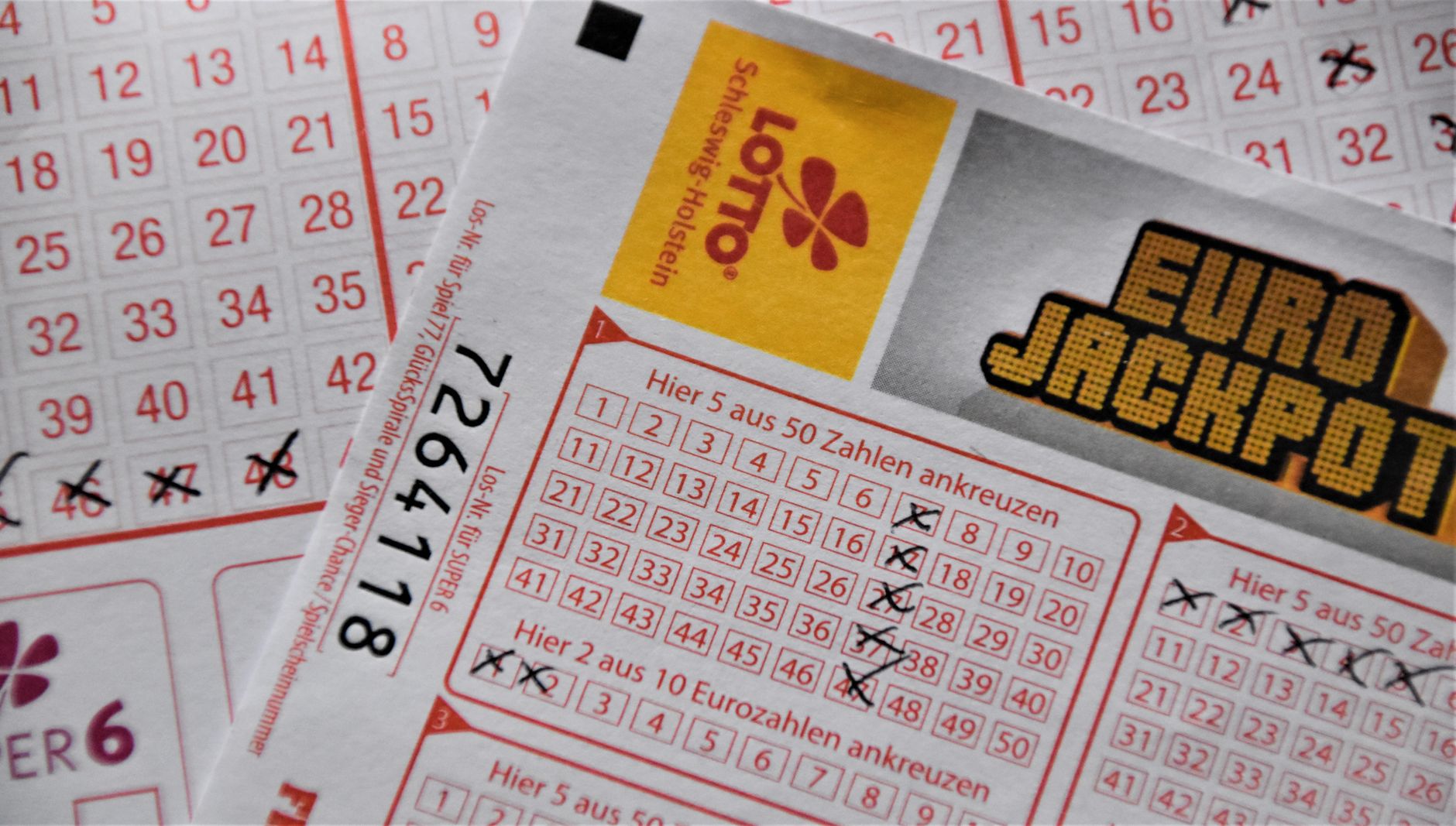
Lottery games are based on number selection and unpredictable outcomes, making random draws and mathematical probability important topics for anyone interested in understanding how they work. Learning about these concepts can help readers interpret game rules, number combinations, and possible prize outcomes. For those exploring asiapowerballs.com, understanding random selection and winning odds provides useful knowledge for developing realistic expectations about lottery participation.
What Are Random Lottery Draws?
A random lottery draw is a process in which numbers are selected without following a predetermined pattern. Depending on the game, this process may involve physical drawing equipment or computerized random number generation.
The purpose of random selection is to give every valid combination the probability established by the game’s rules. Each completed draw produces an independent result, meaning previous outcomes do not determine which numbers will appear next.
How Are Winning Odds Calculated?
Winning odds describe the mathematical likelihood of matching a particular combination or qualifying for a prize. They depend on several factors, including the number range, the quantity of numbers selected, and any additional selection requirements.
For example, a game that requires more numbers to match may have different winning probabilities from a game with fewer selection requirements. The total number of possible combinations also influences the likelihood of obtaining a particular result.
Understanding these factors helps readers recognize that different lottery formats have different mathematical structures.
Do Previous Results Influence Future Draws?
Historical results can provide information about combinations selected in earlier draws. Some readers review these records to understand past outcomes or examine number frequencies.
However, previous results do not control future selections. A number that has appeared frequently is not automatically more likely to appear again. Likewise, a number that has not appeared recently is not guaranteed to be selected in the next draw.
Every independent random draw should be considered separately.
What Factors Affect Lottery Probability?
Several elements influence the odds of a lottery game:
Total numbers available for selection.
Number of main selections required.
Additional number requirements.
Rules for matching winning combinations.
Number of possible combinations.
Prize categories established by the game.
These factors determine the mathematical structure of a particular lottery. Readers should review the official rules to understand the exact requirements and probabilities.
Can Any Strategy Guarantee a Winning Combination?
No number-selection strategy can guarantee a lottery prize. Choosing birthdays, repeating previous combinations, studying frequency charts, or selecting numbers randomly does not remove the uncertainty of an independent draw.
Such approaches may reflect personal preferences, but they do not provide a guaranteed mathematical advantage.
How Can Participants Maintain Realistic Expectations?
Lottery participation should be treated as entertainment rather than a financial opportunity. Readers should follow local laws and age restrictions, establish an affordable spending limit, and avoid borrowing money or chasing losses.
Understanding random draws and winning odds encourages informed decisions. Knowledge of probability cannot predict the outcome, but it can help readers approach lottery games with greater awareness and responsibility.
The Short Version
- Lottery games rely on number selection and unpredictable outcomes, emphasizing the importance of random draws and mathematical probability.
- A random lottery draw involves selecting numbers without a predetermined pattern, using either physical equipment or computerized methods.
- Winning odds are calculated based on factors such as the number range, quantity of numbers selected, and additional selection requirements.
- Previous lottery results do not influence future draws, and each draw should be considered an independent event.
- Factors affecting lottery probability include total numbers available, main selections required, and prize categories established by the game.
- No strategy can guarantee a lottery win, and participants should approach lottery games as entertainment rather than a financial opportunity.